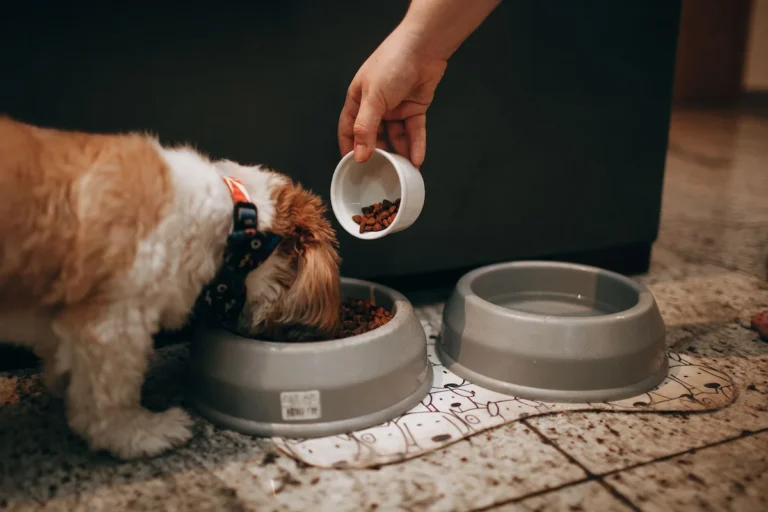
Acid Reflux Dog Food: 6 Best Options for 2026

If your dog gulps, licks their lips, or throws up yellow foam in the morning, you are probably searching for the right acid reflux dog food. The good news is that food choices and feeding habits can make a real difference for many dogs, once your vet has checked what is going on.
Below you will find what reflux looks like in dogs, what to look for on the label, the best dog food for reflux across six dog food for reflux options (dry, wet-friendly, and vet-prescribed), plus foods to avoid and simple feeding tips.
Quick note: Vomiting and regurgitation can have many causes. Please see your vet before changing your dog’s diet to manage suspected reflux.
Table of Contents
What is acid reflux in dogs?

Acid reflux happens when stomach or intestinal fluids flow back up into the esophagus (the tube between the mouth and stomach). This can irritate the esophagus and make eating uncomfortable. Vets may call it gastroesophageal reflux.
Reflux is different from a general sensitive stomach, although the two can overlap. If your dog has frequent loose stools or gas as well, see our guide to the best food for dogs with sensitive stomachs.
Common situations vets mention include eating too fast, long gaps between meals, high-fat meals, and certain medical conditions. Only your vet can tell which applies to your dog.
Signs of acid reflux in dogs
- Regurgitating food shortly after eating
- Vomiting yellow bile or foam, often early in the morning
- Frequent lip licking or swallowing
- Gulping or drooling
- Eating grass more than usual
- Eating less, or seeming uncomfortable after meals
See your vet promptly if you notice blood, repeated vomiting, weight loss, trouble swallowing, tiredness, or a swollen belly. Puppies and senior dogs should be checked sooner.
What to look for in dog food for reflux

There is no single “reflux diet” that suits every dog. When choosing a food for dog with acid reflux, it helps to know what features to compare. Vets commonly suggest foods with these features:
- Lower fat: High-fat meals take longer to leave the stomach. Compare the fat percentage in the guaranteed analysis on the bag.
- Highly digestible ingredients: Cooked, quality proteins and easily digested carbohydrates such as rice are common in gentle formulas.
- Short, simple ingredient list: Fewer ingredients make it easier to spot what your dog tolerates. Our best limited ingredient dog food guide covers this in more detail.
- Prebiotic fiber: Some gentle formulas include it to support healthy digestion.
- Small, easy-to-chew kibble or a soft texture: Wet food or softened kibble can be easier for some dogs.
- Complete and balanced: Look for the AAFCO statement that the food is complete and balanced for your dog’s life stage.
6 best acid reflux dog food options
Here is our list of the best dog food for reflux. These foods are commonly chosen for dogs with sensitive digestion. None of them is a cure for reflux, and the right choice depends on your dog. Always check the current label and ask your vet, especially for prescription diets.
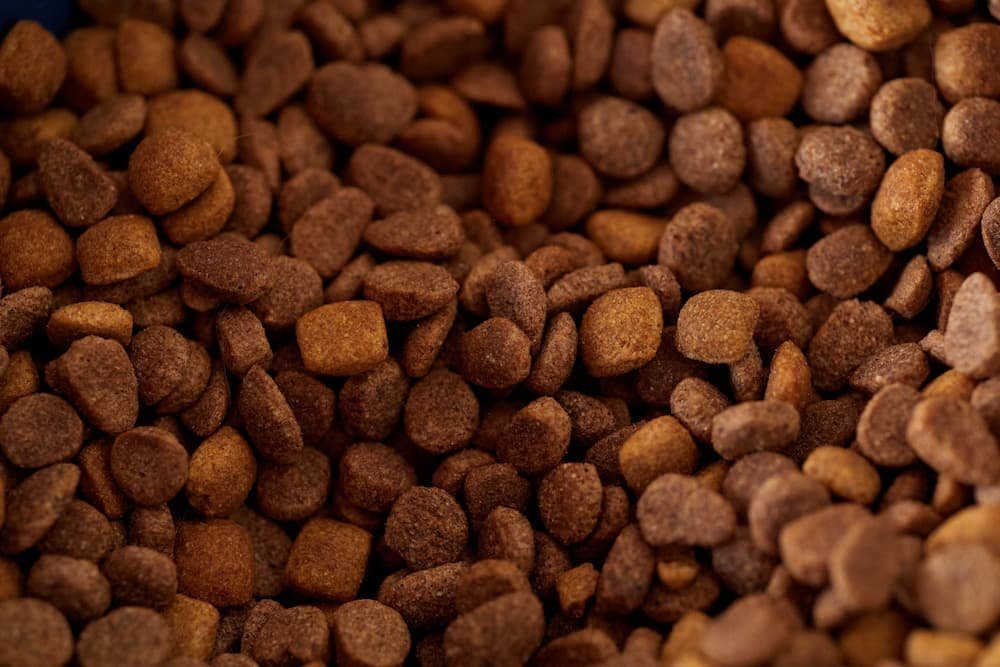
1. Purina Pro Plan Sensitive Skin & Stomach Salmon & Rice (best dry dog food for acid reflux, over the counter)
A widely available dry formula built around salmon and rice, designed for dogs with sensitive digestion. A good first option to discuss with your vet if your dog has mild symptoms and does not need a prescription diet. Check the fat percentage on the label to make sure it suits your dog.
2. Hill’s Science Diet Sensitive Stomach & Skin (dry)
Made with easily digestible ingredients and prebiotic fiber, according to the brand. It comes in several recipes, so you can compare protein sources and fat levels. Good for dogs who also have mild skin sensitivity.
3. Royal Canin Digestive Care (dry)
A breed-size-specific formula that uses highly digestible proteins and prebiotics, according to the brand. Choose the size (small, medium, large) that matches your dog. Useful for dogs that do best on a predictable, consistent recipe.
4. Hill’s Prescription Diet i/d Digestive Care Low Fat (prescription)
A vet-prescribed diet made for dogs that need a lower-fat, easily digestible food. Available in dry and canned versions. Your vet must authorize it, which makes it a better fit for dogs with a confirmed digestive condition.
5. Royal Canin Veterinary Diet Gastrointestinal Low Fat (prescription)
Another prescription option focused on lower fat and high digestibility. Often used when a vet wants to limit fat in the diet. Ask your vet whether it is appropriate for your dog’s situation.
6. Purina Pro Plan Veterinary Diets EN Gastroenteric (prescription)
A prescription diet made for dogs with gastrointestinal problems, available in dry and canned forms. Having both textures can help if your dog prefers wet food or needs a softer meal. Requires veterinary authorization.
Which one should you pick? For mild, occasional symptoms, many owners start by asking their vet about an over-the-counter sensitive stomach formula (picks 1 to 3). For ongoing or more serious symptoms, your vet may recommend a prescription diet (picks 4 to 6). Wet food options are also covered in our best canned dog food for sensitive stomach guide.
Disclosure: This post contains affiliate links. If you buy through them, we may earn a small commission at no extra cost to you. This article is for general information and is not veterinary advice.
Foods to avoid for dogs with reflux
- Fatty table scraps: Bacon, grease, fried food, and fatty meat trimmings.
- Rich, high-fat treats: Choose simple, low-fat treats instead. See our treats for dogs with sensitive stomachs guide.
- Spicy, seasoned, or acidic human food: Onion, garlic, and heavily spiced foods are unsafe for dogs.
- Sudden food changes: Switching abruptly can upset even a healthy stomach.
- Large, once-a-day meals: These can make symptoms worse in some dogs.
Feeding tips that help

- Feed smaller meals more often. Many vets suggest splitting the daily amount into 3 to 4 smaller meals. Ask your vet what suits your dog.
- Slow down fast eaters. A slow-feeder bowl or puzzle mat can help.
- Keep a steady schedule. Long gaps between meals can leave the stomach empty for too long.
- Avoid hard exercise right after meals. Give your dog some quiet time first.
- Keep a simple food diary. Note what your dog ate and when symptoms appeared. Your vet will find it useful.
How to switch foods safely
Change the food gradually over about 7 to 10 days so the stomach can adjust:
- Days 1 to 3: 25% new food, 75% old food
- Days 4 to 6: 50% new food, 50% old food
- Days 7 to 9: 75% new food, 25% old food
- Day 10: 100% new food
If your dog vomits, has diarrhea, or refuses food during the switch, stop and call your vet. Prescription diets should be started under your vet’s guidance.
FAQ
What is the best dog food for dogs with acid reflux?
There is no single best food. Vets often suggest a lower-fat, highly digestible diet, fed in smaller, more frequent meals. Your vet can recommend a food that fits your dog’s age, size, and health.
What is the best dry dog food for acid reflux?
Over-the-counter sensitive stomach formulas such as Purina Pro Plan Sensitive Skin & Stomach are a common starting point to discuss with your vet. Dogs with a confirmed condition may need a prescription dry diet instead.
What is the best food for dog with acid reflux if I cannot get a prescription diet?
Ask your vet about an over-the-counter sensitive stomach formula that is lower in fat and highly digestible, fed in small, regular meals. Prescription diets are only available through your vet.
Can I feed my dog human food for acid reflux?
Plain, cooked foods are sometimes used short term under veterinary guidance, but they are not complete and balanced for long-term feeding. Ask your vet before using any home-prepared meals.
Is wet or dry food better for reflux?
Neither is better for every dog. Some dogs tolerate softer food more easily, while others do fine on dry food. Texture matters less than fat level, digestibility, and meal size.
Can acid reflux in dogs go away on its own?
Mild, occasional episodes may settle, but ongoing symptoms should be checked by a vet. Reflux can irritate the esophagus over time if it is left untreated.
Should I give my dog antacids?
Never give human medicines to your dog without your vet’s advice. Some are unsafe for dogs, and the dose matters.
Conclusion
The best acid reflux dog food is usually a lower-fat, easily digestible formula, fed in small, regular meals and introduced slowly. Over-the-counter sensitive stomach foods work for some dogs, while others need a prescription diet from the vet.
Talk to your vet before changing your dog’s food, especially if symptoms are frequent or severe. Once your dog is feeling better, explore the rest of our sensitive stomach dog food guide for more ideas.