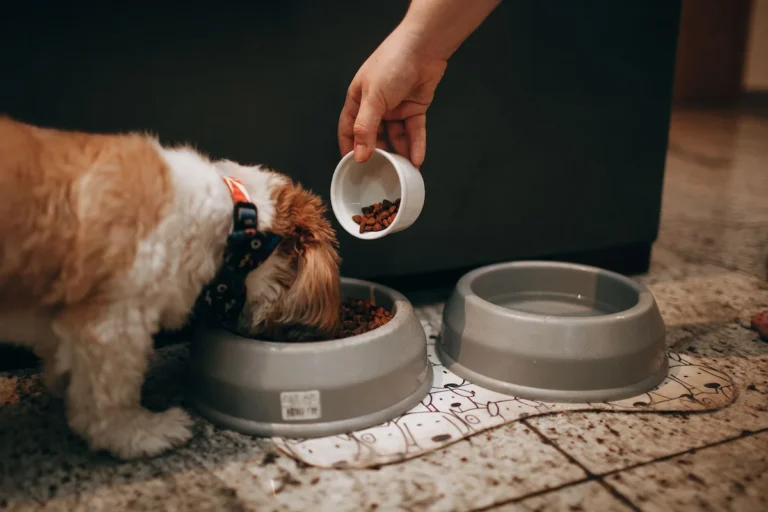
Best Dog Food for Digestive Issues: 6 Top Picks for 2026

If your dog has loose stools, gas, or a sensitive tummy, finding the best dog food for digestive issues can feel overwhelming. There are hundreds of formulas, and many promise “gentle” nutrition. This guide narrows it down to 6 options that are commonly recommended for dogs with digestive issues, plus what to look for and how to switch foods safely.
Important: Digestive signs can have many causes, so talk to your vet before changing your dog’s diet. This article is general information, not medical advice.

Table of Contents
What are digestive issues in dogs?
“Digestive issues” is a broad term for anything that upsets how your dog’s stomach and intestines handle food. It can range from an occasional upset stomach after a diet change to ongoing problems that need a vet’s attention. A dog with digestive issues may react to a new food, a rich treat, or a sudden change in routine.
Because the causes vary, there is no single food that works for every dog. That is why a vet check comes first, and why choosing a consistent, easy-to-digest diet matters.
Signs your dog may have digestive issues
Common signs that dogs with digestive issues show include:
- Loose or soft stools, or changes in stool regularity
- Frequent gas or a gurgling belly
- Occasional vomiting or regurgitation
- Reduced appetite or picky eating
- Licking lips, drooling, or eating grass more than usual
Talk to your vet right away if your dog has blood in the stool, repeated vomiting, lethargy, signs of pain, or symptoms that last more than a day or two. Puppies, seniors, and small dogs can get into trouble faster.
How to choose the best dog food for digestive problems
When you compare the best dog food for digestive problems, these factors matter most:
- Highly digestible ingredients: Look for a clearly named protein source (such as chicken, turkey, or fish) listed first.
- Gentle carbohydrates: Simple, digestible carbs such as rice or oatmeal are common in sensitive-stomach formulas.
- Fiber and prebiotics: Some formulas add prebiotic fiber to support healthy gut bacteria.
- Fewer unnecessary extras: Avoid foods packed with artificial colors, flavors, or rich, fatty add-ons.
- Complete and balanced: The label should say the food meets AAFCO nutritional standards for your dog’s life stage.
- Prescription vs. over-the-counter: Some digestive diets are only available with a vet’s authorization. Your vet can tell you which type fits your dog.
If your dog has a very sensitive tummy, you may also like our guide to limited ingredient dog food, or our overview of the best food for dogs with sensitive stomachs.
6 best dog foods for digestive issues
Below are 6 options to discuss with your vet. Three are over-the-counter and three are prescription diets. These are the options we would start researching, but always check the current label and ask your vet which one suits your dog. Ingredients and formulas can change.
1. Purina Pro Plan Sensitive Skin & Stomach (over-the-counter)
A widely available option designed for adult dogs with sensitive stomachs. It is made with an easy-to-digest formula and is a common first step for owners who want an over-the-counter food.
Best for: mild sensitivity and owners who want a vet-trusted brand without a prescription.
2. Hill’s Science Diet Sensitive Stomach & Skin (over-the-counter)
Formulated for dogs with sensitive stomachs and skin, with gentle ingredients and added fiber to support digestion. Hill’s is a brand many vets are familiar with.
Best for: dogs that also have skin sensitivity along with tummy troubles.
3. Royal Canin Digestive Care (over-the-counter)
A breed-size-specific option made to support digestive health with highly digestible ingredients. Royal Canin offers formulas by size, which helps with kibble shape and portions.
Best for: owners who want a size-specific digestive formula.
4. Hill’s Prescription Diet i/d Digestive Care (prescription)
A vet-prescribed diet made for dogs that need digestive support. It is available as dry and wet food. You will need your vet’s authorization to buy it.
Best for: dogs whose vet recommends a therapeutic digestive diet.
5. Royal Canin Veterinary Diet Gastrointestinal (prescription)
A therapeutic diet designed for dogs under veterinary care for digestive concerns. It requires a prescription and is usually fed under your vet’s guidance.
Best for: dogs with ongoing issues that need a vet-managed plan.
6. Purina Pro Plan Veterinary Diets EN Gastroenteric (prescription)
A vet-prescribed formula made for dogs that need highly digestible nutrition during digestive recovery or management. Your vet decides if and how long to feed it.
Best for: dogs on a vet-supervised plan.
Note: We are not veterinarians. Always confirm the current ingredients and feeding instructions on the product label, and follow your vet’s advice.
Best dog food for digestive health 2026: quick comparison
| Food | Type | Prescription needed? | Best for |
|---|---|---|---|
| Purina Pro Plan Sensitive Skin & Stomach | Over-the-counter | No | Mild sensitivity |
| Hill’s Science Diet Sensitive Stomach & Skin | Over-the-counter | No | Stomach and skin sensitivity |
| Royal Canin Digestive Care | Over-the-counter | No | Size-specific formula |
| Hill’s Prescription Diet i/d Digestive Care | Prescription | Yes | Vet-guided digestive support |
| Royal Canin Veterinary Diet Gastrointestinal | Prescription | Yes | Ongoing vet-managed issues |
| Purina Pro Plan Veterinary Diets EN Gastroenteric | Prescription | Yes | Vet-supervised plans |
If your dog prefers wet food, see our guide to the best canned dog food for sensitive stomach. For reflux-related concerns, read our acid reflux dog food guide.

Foods and habits to avoid
Dogs with digestive issues often do better when you keep things simple. Consider avoiding:
- Sudden food changes: switching foods quickly is a common cause of upset stomachs.
- Table scraps and fatty foods: rich, greasy foods can upset a sensitive tummy.
- Too many treats: stick to a few simple treats and count them toward daily calories.
- Foods toxic to dogs: such as chocolate, grapes and raisins, onions, garlic, and xylitol. Call your vet right away if your dog eats any of these.
How to switch your dog’s food safely

A slow switch gives your dog’s digestive system time to adjust. A common approach is to mix the new food with the old food and gradually increase the new portion over about 7 to 10 days. Your vet may suggest a different schedule for your dog, especially if you are switching to a prescription diet.
- Start with mostly the old food and a small amount of the new food.
- Gradually increase the new food over several days.
- Watch stool quality, appetite, and energy along the way.
- If signs get worse, pause and call your vet.
Frequently asked questions
What is the best dog food for digestive issues?
There is no single best option for every dog. Over-the-counter sensitive-stomach formulas suit many dogs, while prescription diets are for dogs that need vet-guided care. Your vet can help you pick the best food for dogs with digestive issues based on your dog’s age, size, and health.
Is wet or dry food better for dogs with digestive issues?
Both can work. Some dogs find wet food easier to eat, while dry food is convenient and often more budget-friendly. What matters most is that the food is complete, balanced, and tolerated well by your dog.
How long should I try a new food?
Give a new food several weeks, after the gradual switch, unless your vet says otherwise. If you see no improvement or signs get worse, check in with your vet.
Can I feed homemade food to a dog with digestive issues?
Homemade diets can be hard to balance. Ask your vet or a veterinary nutritionist before making a long-term homemade diet.
When should I see a vet?
See your vet if your dog has repeated vomiting, blood in the stool, pain, lethargy, or signs that last more than a day or two. Do not wait if your dog is a puppy or a senior.
Conclusion
The best dog food for digestive issues is one that suits your dog’s needs, is complete and balanced, and is chosen with your vet’s guidance. Start with a simple, easy-to-digest formula, switch slowly, and track how your dog responds. If you are caring for a dog with digestive issues, a vet check is the most important first step. Our full guide to sensitive stomach dog food has more options to explore.
Disclosure: This article contains affiliate links. We may earn a small commission if you buy through them, at no extra cost to you. This content is for information only and does not replace veterinary advice.